See It
AwarenessBefore changing anything, we get honest about reality: schedule, habits, preparation, distraction, recovery, current standards, confidence and inner voice.
You can’t improve what you aren’t willing to see.
Athletes already have coaches teaching their sport. This is the other part: the hours between practices, and what the athlete does with them.
Before changing anything, we get honest about reality: schedule, habits, preparation, distraction, recovery, current standards, confidence and inner voice.
You can’t improve what you aren’t willing to see.

Where are you trying to go? What do you actually want, and why does it matter? We take big ambitions and connect them to controllable process goals and behaviours.
What does that goal actually require?

Big goals have a price. We identify the standards, habits, preparation and structure required to give the athlete a legitimate opportunity to reach them.
Do your standards match what you say you want?

Goals are not achieved someday. Athletes learn to use their time intentionally, protect their attention, prepare properly, and consistently execute the things that matter.
Your future is built through ordinary days.
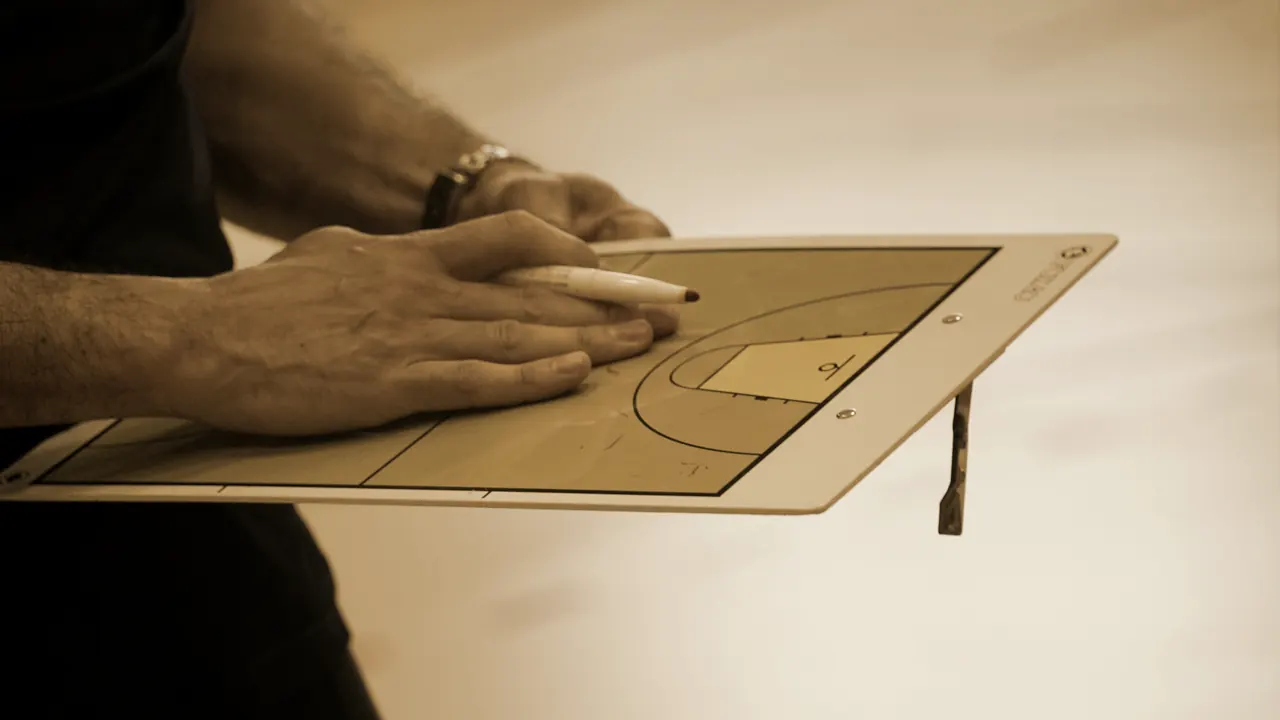
What worked? What didn’t? Why? What did you learn, and what needs to change? Every week we look at the week that actually happened.
Plan → Execute → Reflect → Adjust → Repeat.
Over time the athlete becomes increasingly capable of managing their own development. The goal is ownership, not somebody constantly pushing them forever.
An athlete who can coach themselves.
Understanding where they want to go, and what it genuinely requires.
Learning where the week actually goes, and using time intentionally.
Doing what they said they would do, and answering honestly when they don’t.
Routines and habits that help them enter practices, games and opportunities ready.
Understanding distraction, phones and focus, and bringing attention back to what matters.
Behaving according to a standard rather than according to mood.
Built through preparation, evidence, and keeping promises to themselves.
Becoming aware of self-talk, and learning how to respond more constructively.
Using imagery and mental rehearsal as part of deliberate preparation.
Learning from practices, games, setbacks and ordinary days.
Becoming a more self-directed athlete, and a more self-directed young person.

Athletes spend countless hours training their bodies. But every day they are also listening to another voice: their own. After a mistake. Before a tryout. When another athlete gets selected.
Part of this work is helping athletes become aware of that voice instead of unconsciously believing everything it says.
Notice it. Question it. Redirect attention. Choose a more useful response.
Maximizing a day doesn’t mean filling every minute. It means using the day intentionally.
Recovery can be intentional. Time with family can be intentional. Sleep can be one of the most productive choices an athlete makes.
The goal isn’t obsession for its own sake. It’s to understand what your development requires, and use the day accordingly.
None of this is invented. The principles underneath it sit on a substantial body of published research: self-regulation, progress monitoring, goal setting, imagery, and the coach–athlete relationship.
Interventions designed to increase progress monitoring improved goal attainment. Effects were larger when progress was physically recorded, and when outcomes were reported or made visible to others.
Goal setting had a positive effect on sport performance, with process goals showing the strongest effects among the goal types studied.
Imagery practice enhanced athletic performance across several performance categories.
Strategies associated with performing under pressure included pre-performance routines, imagery, self-talk, goal setting and cognitive restructuring.
Positive coach–athlete relationships were associated with motivation, satisfaction, performance, continued participation, and protection against stress and burnout.
Summarised findings. Full references available on request.
These are the skills that help athletes maximize what they already have, and they are rarely taught at school or at practice.